 from
$34.95
from
$34.95 from
$34.95
from
$34.95 from
$34.95
from
$34.95





Use your bed only for sleep and sex to train your mind for relaxation.
Keep the bedroom distraction-free; avoid devices and other activities.
Charge your phone out of reach to minimize nighttime interruptions.
Your bedroom should be more than just a place you end your day—it should be a sanctuary dedicated to rest, recovery, and intimacy. Creating a strong mental association between your bed and sleep is a foundational step toward improving your sleep quality. When you consistently reserve your bed exclusively for sleep and sex, your brain begins to recognize this space as a cue for winding down, making it easier to relax and fall asleep more quickly.
On the other hand, common habits like watching TV, scrolling on your phone, eating, or working in bed can confuse this connection. These activities stimulate your mind and send mixed signals to your body, making it harder to fully disengage and slip into a restful state. Over time, this blurred boundary can lead to poor sleep habits and reduced sleep efficiency.
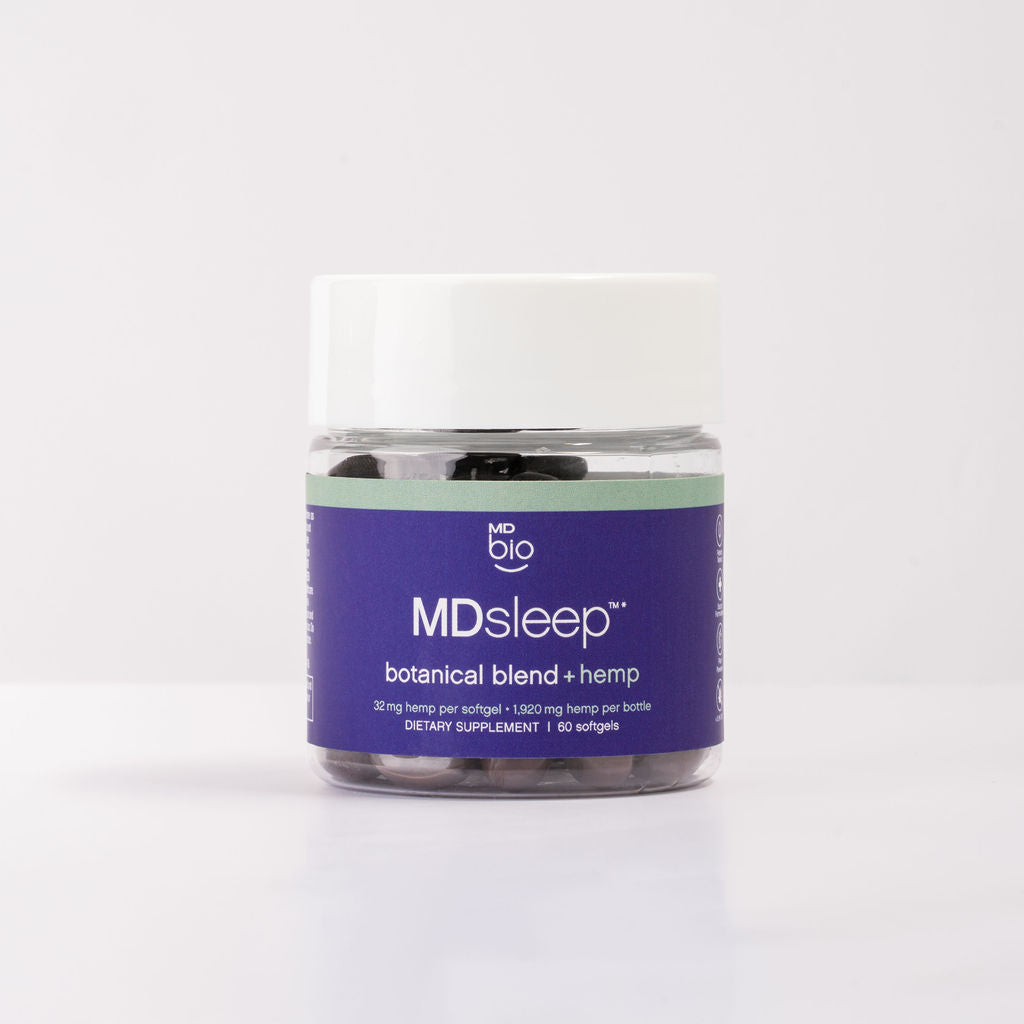
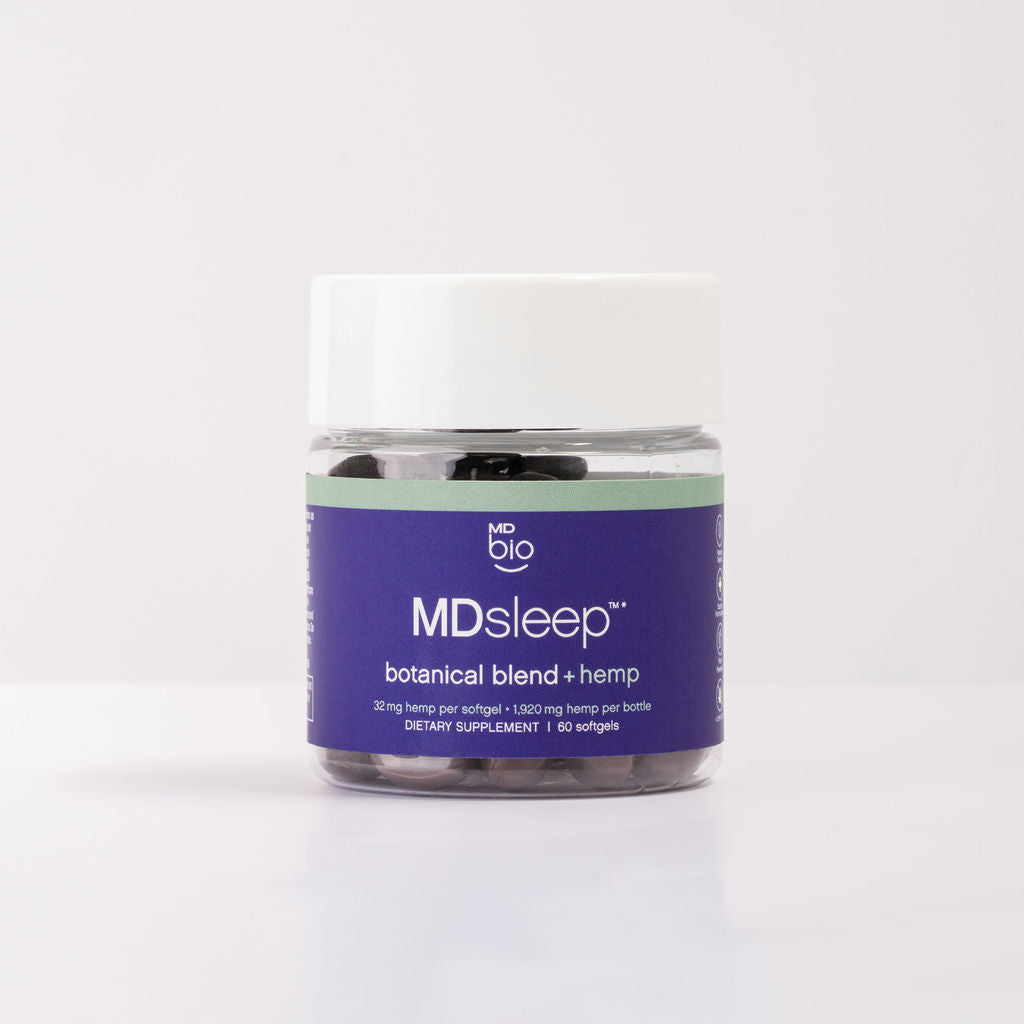
By protecting the purpose of your bedroom and maintaining clear boundaries around how you use the space, you reinforce the natural rhythm of rest. In today’s content, we’ll explore how creating a sleep-focused environment can support deeper, more restorative sleep—and how MDsleep can help your body respond to these cues even more effectively.

Your bedroom should be a sanctuary for rest and intimacy. By reserving your bed exclusively for sleep and sex, you can train your mind to associate the space with relaxation, helping you fall asleep faster. Avoid activities like watching TV, using your phone, or working in bed, as these create associations that can disrupt your sleep quality. Maintaining this boundary is an essential step toward healthier sleep habits.

The way we associate spaces with activities plays a critical role in shaping our behavior. Just as the kitchen triggers thoughts of eating, your bed should signal to your body and mind that it’s time to sleep. To build this association:

The way we associate spaces with activities plays a critical role in shaping our behavior. Just as the kitchen triggers thoughts of eating, your bed should signal to your body and mind that it’s time to sleep. To build this association:

Your bedroom should be a distraction-free zone to support relaxation. Engaging in daytime activities in bed—like watching TV, eating, or working—can weaken the association between your bedroom and sleep. To strengthen this connection:

By keeping the bedroom distinct from activity zones, your mind will learn to associate it only with rest and intimacy, making it easier to wind down at night.
Your bedroom should be a distraction-free zone to support relaxation. Engaging in daytime activities in bed—like watching TV, eating, or working—can weaken the association between your bedroom and sleep. To strengthen this connection:

By keeping the bedroom distinct from activity zones, your mind will learn to associate it only with rest and intimacy, making it easier to wind down at night.

Kokilaben Hospital. (n.d.). Create the Perfect Sleep Environment. Kokilaben Hospital. Retrieved December 20, 2024, from https://www.kokilabenhospital.com/health/healthtip/create-the-perfect-sleep-environment.html.
Kokilaben Hospital. (n.d.). Create the Perfect Sleep Environment. Kokilaben Hospital. Retrieved December 20, 2024, from https://www.kokilabenhospital.com/health/healthtip/create-the-perfect-sleep-environment.html.


THE DOCTORS BRAND™
America’s leading clinically proven nutraceutical brand for better sleep, less anxiety and less pain
*These statements have not been evaluated by the U.S. Food and Drug Administration. Our product is not intended to cure or treat any disease.
MDbiowellness
Contact us
(805) 977-5709
M-F 9am-5pm PT
hello@MDbiowellness.com
© 2023 MDbiowellness